Liturgical Music
Sacred music is vital in Catholic prayer and worship, making our spiritual experiences richer and uniting us in worship music.
Dear parishioners,
As the Season of Easter is over, we are again in what we call “Ordinary Time.” However, there is nothing “ordinary” in the everyday meaning of the word about any of the Sundays during this Season! The name comes from the “order in number” in which the weeks are counted until Advent. You will notice also that we do not start with the number one: this is because we pick up where we left off before Lent. For those of you who may be counting the weeks more meticulously and may have noticed some missing numbers, those would have fallen on Sundays where a special Solemnity replaces the numerical order. For example, this happened over the last two weeks with the celebrations of the Solemnity of the Most Holy Trinity and of the Most Holy Body and Blood of Christ.
The Church teaches us that “Easter Sunday is the greatest of all Sundays” (https://www.usccb.org/prayer-worship/liturgical-year/easter). Rather than minimizing the Sundays of the remaining Seasons, this reminds us that each Sunday gains its relevance from the most important day and Season of all – that of Easter. Because of that, the attitude towards the character of the liturgical music for each Sunday is that of an Easter Sunday. To say it simply, Easter is with us throughout the entire Church year, every single Sunday. If we look at the Ordinary of the Mass (the litany “Lord, Have Mercy”, the hymn “Glory to God”, the Acclamations in the Liturgy of the Eucharist, and the “Lamb of God”), their words and character remain unchanged throughout the year. We sing them with the same sense of solemnity and devotion. While the content and the focus of the readings may change from week to week, and so does the content of the hymn and song texts, the spirit of the Easter celebration must remain a guiding principle in the selection and execution of the music. The spirit of Easter does not have limitations in style or age from which the music comes. With this in mind, I would like to leave you with two music selections fit at a Solemnity and on any Ordinary Sunday: Palestrina’s beloved Sicut Cervus (Psalm 42) from the year 1584,that our Diocesan choir beautifully rendered for the most recent priest ordinations, and John Rutter’s For the Beauty of the Earth, composed in 1978, that was a part of the Youth Confirmation Mass here at St. John’s on the Solemnity of Pentecost.
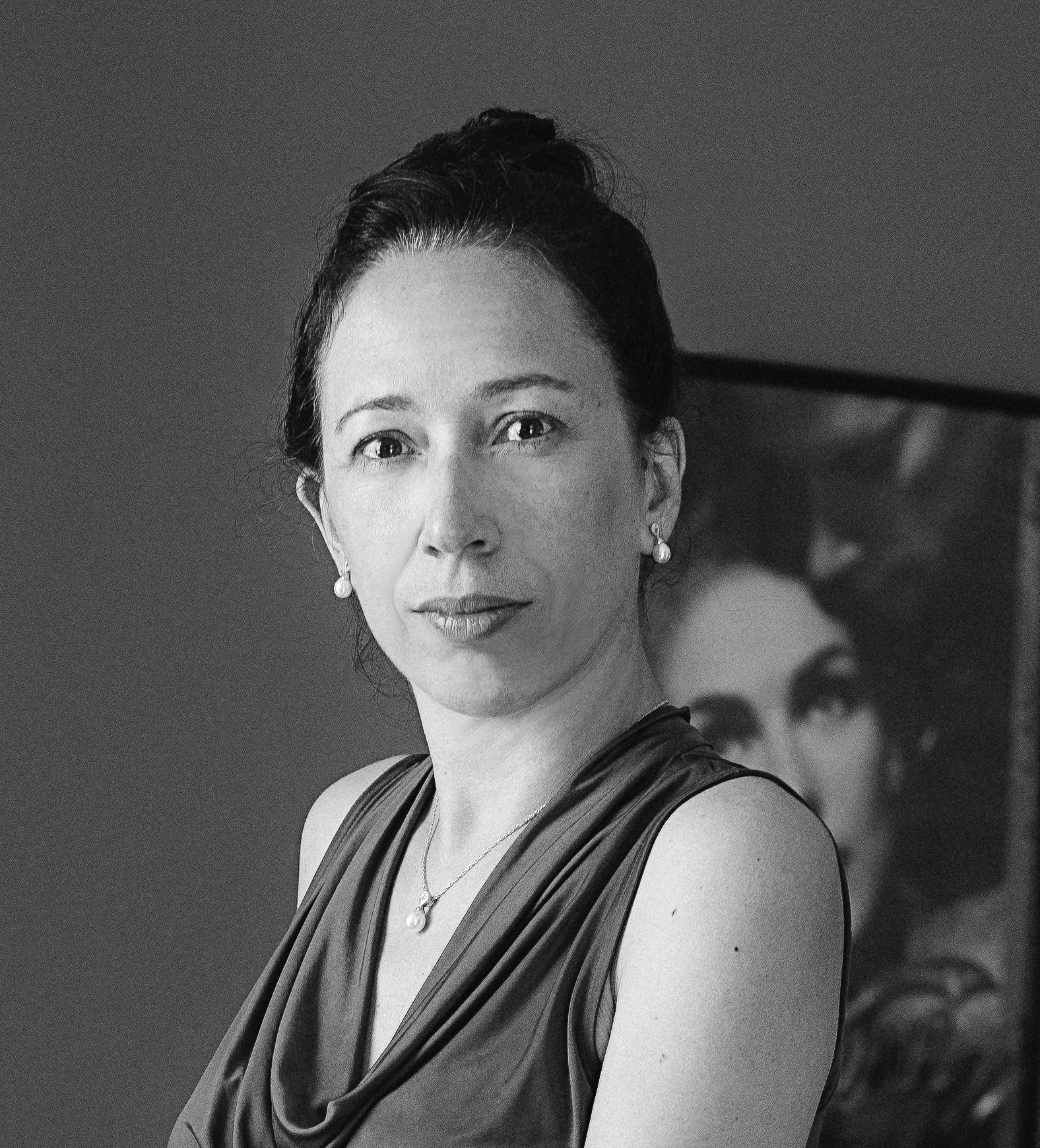
Dr. Neda St. Clair
Music Director
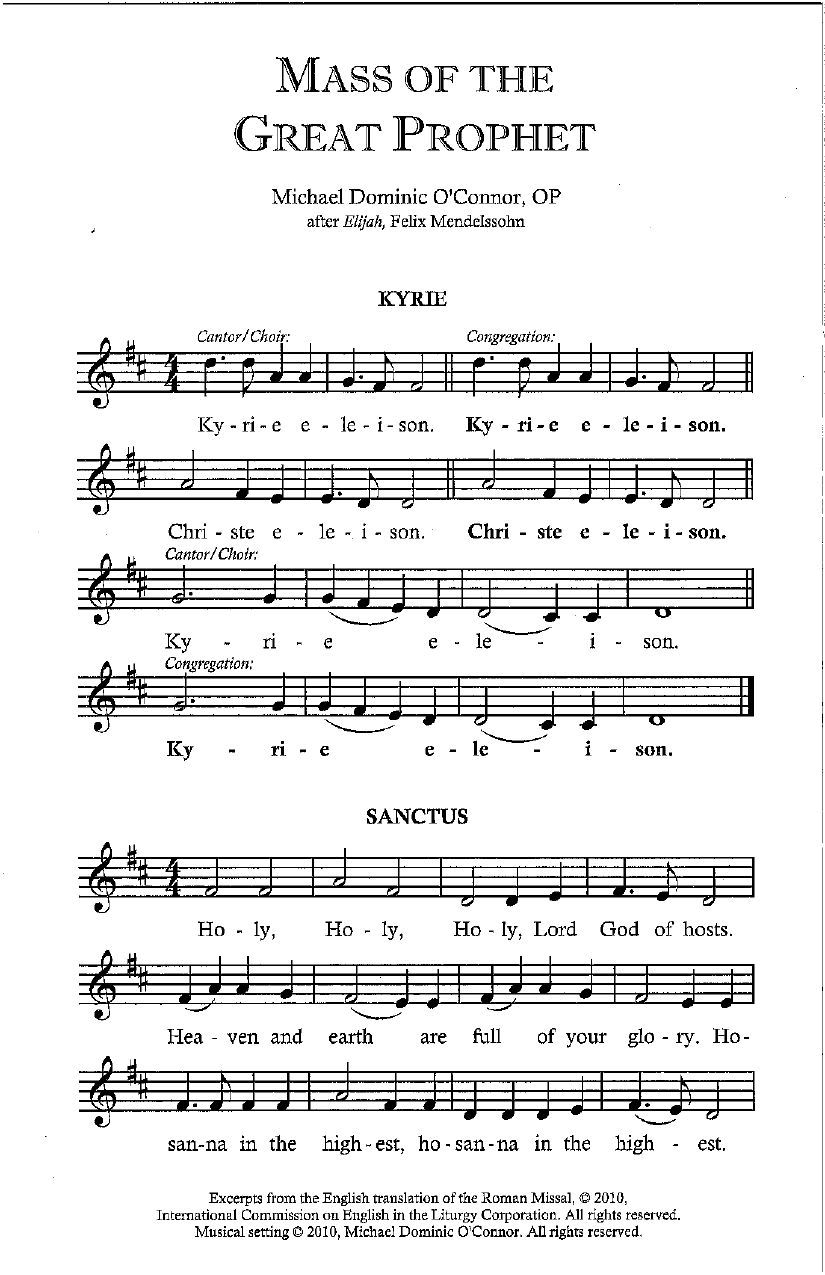
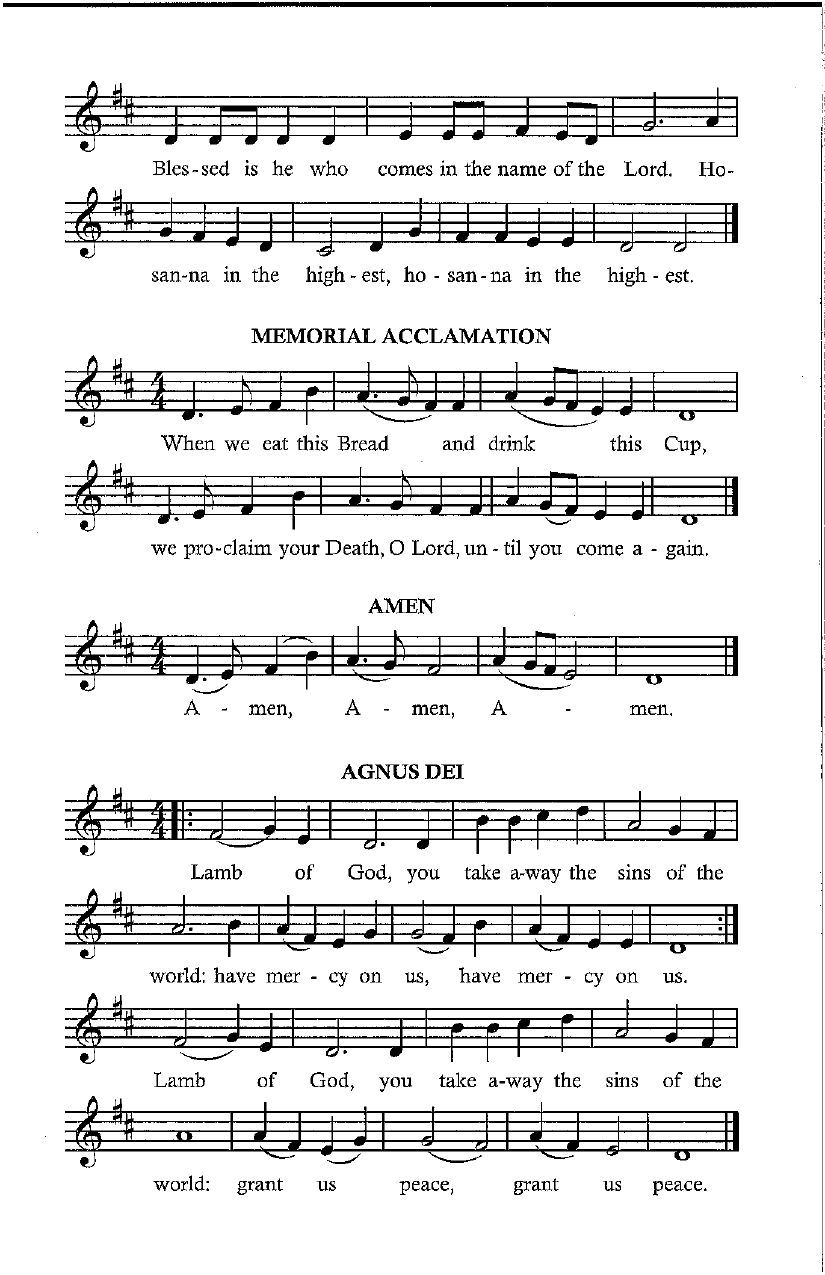
The overarching purpose of music in the liturgy is to enhance the worship experience, fostering deeper engagement with the sacred texts and rituals. Music in the Mass is intended to be a sacred expression, drawing the faithful closer to God and fostering a sense of reverence and wonder. Liturgical music's highest purpose is to glorify God and lead the faithful into deeper worship, elevating the spirit and inspiring a deeper connection with the sacred mystery of the Eucharist.
What Music can do for the Soul
- Glorifying God and Deepening Worship: Music's primary goal is to glorify God and draw individuals and the community into a deeper encounter with the divine. It's a way for souls to be lifted to Christ and participate more fully in the sacred mysteries.
- Encouraging Active Participation: Music facilitates the full, conscious, and active participation of the congregation. By singing together, the assembly expresses faith and devotion. This active involvement is a cornerstone of the liturgical reforms of Vatican II.
- Fostering Unity and Community: Singing together as an assembly unifies the community and reminds them that they are one Body of Christ. Music helps to express and share their faith collectively.
- Enhancing the Liturgical Text and Meaning: Music can imbue liturgical texts with greater meaning and expressiveness than spoken words alone. The musical setting can evoke the sacredness of the words and draw hearts into the liturgy. For example, the "Gloria" has a certain holiness felt even without the lyrics.
- Adding Solemnity and Beauty: Music contributes to the solemnity and beauty of the liturgical celebration. A beautifully sung text reveals Christ in a special way and helps to raise hearts and minds to heavenly things.
- Supporting the Liturgical Action: Music in the liturgy is subservient to and reflects the liturgical action taking place at any given moment. It supports and magnifies the liturgical prayer of the Mass.
Music Throughout the Mass
Entrance Hymn:
Marks the beginning of the Mass and sets the tone for the liturgy.
Responsorial Psalm:
A musical response to the Scripture reading, sung during the Liturgy of the Word.
Gospel Acclamation:
A sung response to the reading of the Gospel.
Offertory Hymn:
Sung during the preparation of the gifts for the Eucharistic prayer.
Communion Hymn:
Sung during the distribution of Holy Communion.
Recessional Hymn:
Sung as the congregation departs after the Mass.
"Holy, Holy, Holy" and "Lamb of God":
Specific parts of the Mass Ordinary that are sung by the choir or congregation.
In essence, music at Sunday Mass is a powerful tool for prayer, praise, and deeper engagement with the sacred. It's a gift from God that allows the faithful to express their faith, connect with Him on a deeper level, and participate actively in the worship of the Church.
Please contact our Music Director, Neda St. Clair via email at: nstclair@stjohnsfresno.org if you would like more information about any of the groups listed below.
English Choir - Sunday's 10:30 am
Spanish Choir 1 - Saturday's 5:15 pm
Sunday's 12:00 pm & 1:30 pm
Spanish Choir 2 -Sunday's 9:00 am
Interested in sharing your musical talents?
Contact Dr. Neda St. Clair, Music Director